




Wartburg History: Institutional Milestones
The history of Wartburg College is marked by a series of significant milestones that reflect its enduring commitment to academic excellence, faith, leadership, and service. From its founding in 1852 as a school dedicated to educating future church leaders to its evolution into a nationally recognized liberal arts institution, Wartburg has continually adapted to meet the changing needs of students and society.
Throughout its history, the college has celebrated achievements in campus growth, academic innovation, student success, and community engagement. These milestones tell the story of a college rooted in tradition while embracing new opportunities, shaping generations of leaders who make a difference around the world. Below you will find a timeline that illustrates some of the major milestones in the life of the college.
First use of the name “Wartburg”
The name Wartburg was first used when the college moved to St. Sebald, Iowa.
Dedication of Old Main
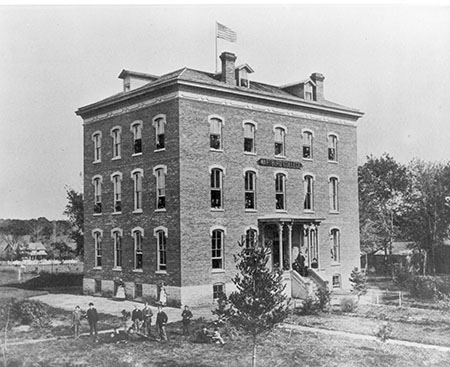
Old Main was built as teachers seminary/normal school in Waverly.
North Hall
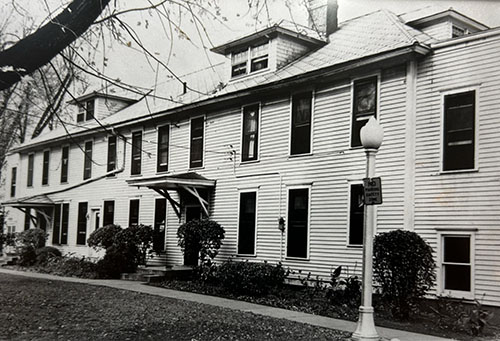
North Hall served as a men’s residence hall and housed the college dining facility until the Student Union opened in 1956.
First Female Student Enrolled
Cordella Grossmann attended Wartburg while the college was in Clinton, Iowa.
First Football Team
Wartburg College first fielded a football team in 1899, with competitive varsity play officially starting in 1935.
First Band
The first student ensemble formed at Wartburg was the band.
First Student Publication
The Wartburg Quarterly was first published when the college was in Clinton, Iowa.
Wartburg Hall
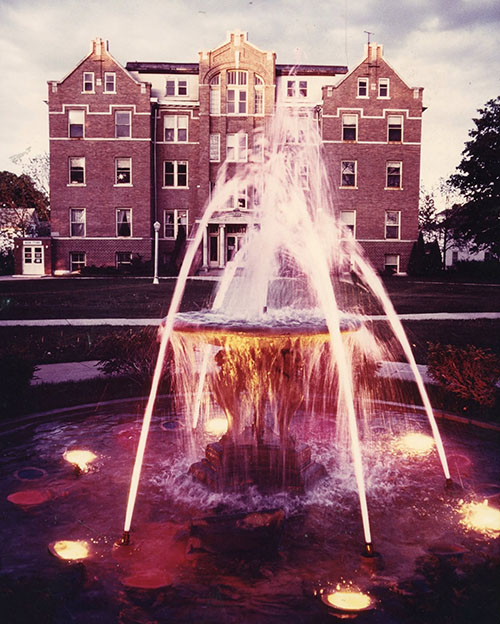
Wartburg Hall opened as the college’s first hall for women. It was demolished to allow for the construction of the Whitehouse Business Center in 1984.
Grossmann (now Founders) Hall
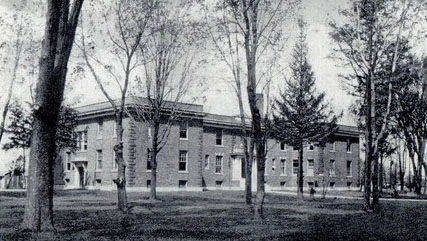
Grossmann Hall was built in 1919 and completely renovated and in 1997. When a new Grossmann Hall was built in 1995, the older building was renamed Founders Hall. The building now includes one-, two-, three-, and four-person rooms.
Artist Series Begins
The Wartburg College Artist Series was one of the nation’s longest-running college performance series. Running from 1920 to 2015, it brought major global entertainment—including Broadway plays, symphony orchestras, and renowned performers—to Waverly, Iowa, to be enjoyed by both students and the local community.
LIttle Theatre/Players Theatre
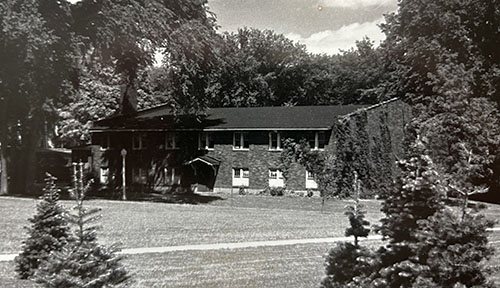
The Little Theatre served as a performance space and the first gymnasium for the college in Waverly.
Luther Hall
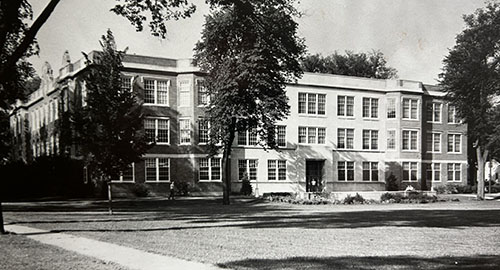
Luther Hall was built in 1925, adding administrative offices and additional classrooms. It was named after Martin Luther, the great reformer of the 16th century.
After World War II, Wartburg experienced significant growth, resulting in a south wing addition to the building in 1951. This provided even more classrooms, laboratories and library space.
Coeducation Introduced
For the first time, men and women learned together in the same classrooms.
Wartburg Choir Founded
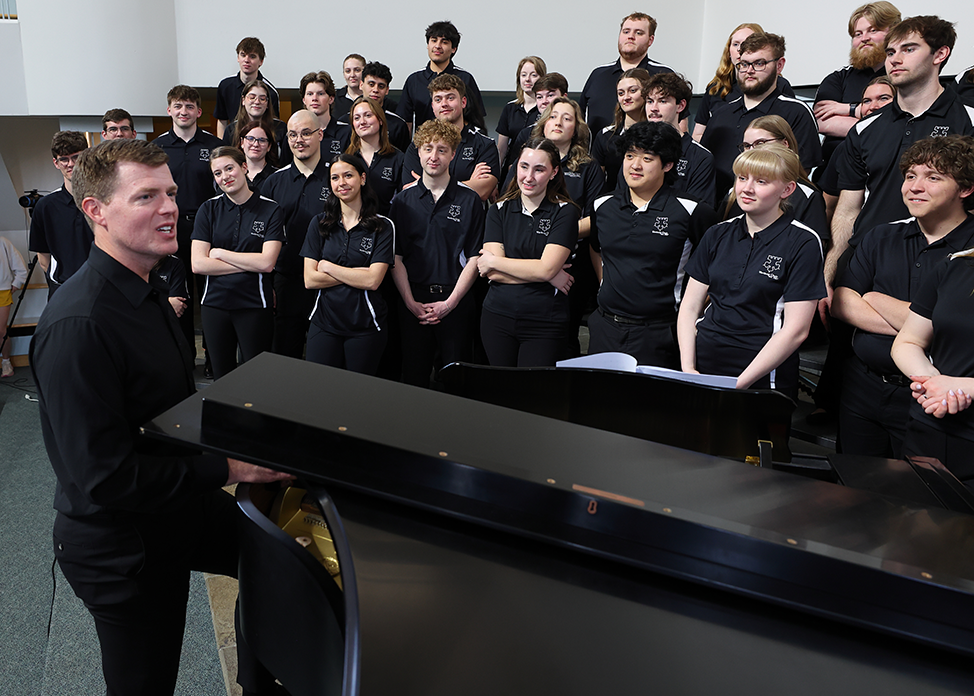
The foundation of the internationally-acclaimed mixed choir began under the direction of Dr. Edwin Liemohn, a student of F. Melius Christiansen, founder of the Lutheran Choral Tradition in the U.S.
Christmas with Wartburg
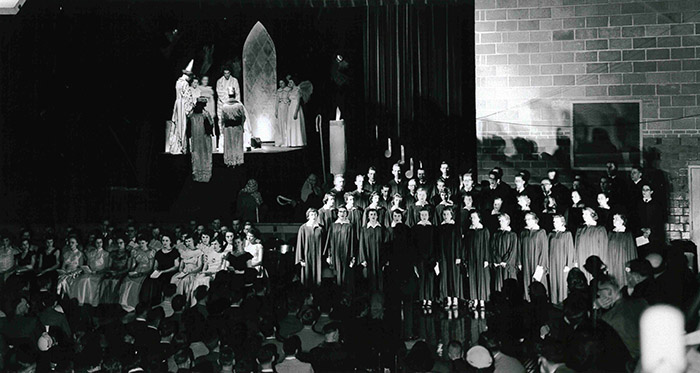
Beginning as a simple Christmas concert in 1947, Christmas with Wartburg was staged for the first two years at the Waverly High School auditorium because Wartburg had no facility suitable for large audiences. In 1949, the program moved to the newly built Knights Gymnasium, which was equipped with a large stage at one end of the gym floor. In 1961, the Chapel-Auditorium, later named Neumann Auditorium, created a new venue with more comfortable seats and better acoustics. The program moved back to Knights Gym in 1967 and 1968 and from 1976 to 1982, but it has remained in Neumann ever since. Approximately 5,000 people now attend this the four-concert holiday tradition in Waverly and Des Moines.
North Central Accreditation Achieved
The State of Iowa had accredited Wartburg since its days in Clinton. North Central Accreditation always seemed out of reach. However, with the help of the Waverly community, St. Paul’s Lutheran Church, and the Waverly Chamber of Commerce, the campus was enlarged. With the increase in facilities during President C. H. Becker’s tenure, the college was able to achieve regional accreditation for the first time and has achieved this level of accreditation ever since.
Knights Gymnasium
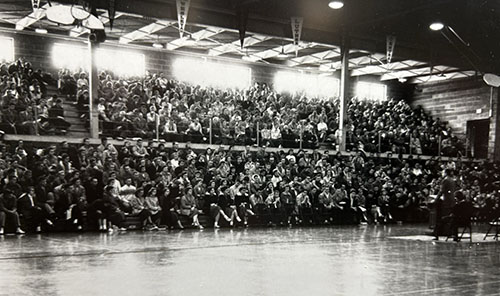
Knights Gymnasium was the home for Wartburg teams until the Ohle Wartburg-Waverly Sports & Wellness Center was completed in 2007.
The President’s House
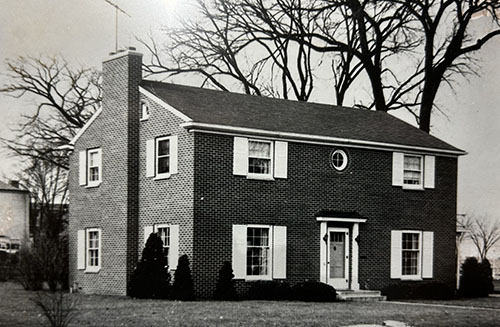
The first presidential home on campus was built east of Old Main. The house is now the centerpiece of The Residence, the first residence hall on campus to use a suite configuration.
First African-American Students Attend
Wartburg Community Symphony
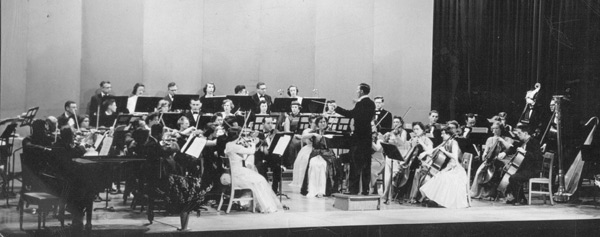
Ernest Hagen, a young Wartburg College music professor, organized an orchestra comprised of community and college musicians. He recruited throughout the Waverly area, and conducted the group’s first performance as part of that year’s Christmas with Wartburg program. The first enemble included 16 college students and 38 community members.
International Students Join Student Body
Wartburg College began actively recruiting students from abroad in 1954, which also aligns with their long-standing recognition in international education through Open Doors International starting in 1949.
Student Memorial Union
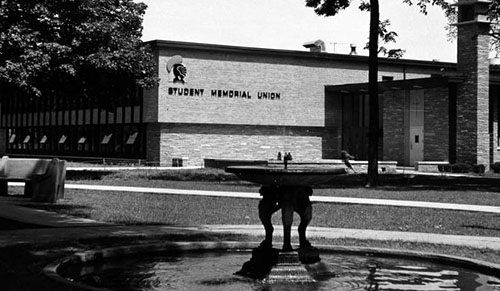
A gathering space for students was built featuring a large lounge, cafeteria, meeting rooms, and mail room. An addition for a bookstore, small chapel, and lobby was completed in 1964.
Liemohn Hall of Music
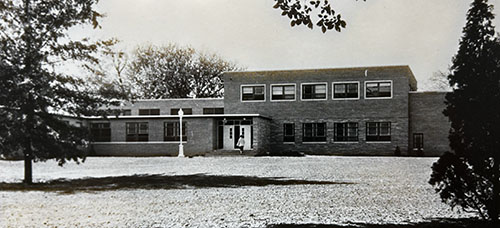
Choral ensembles began performing in this choral hall after rehearsing in Old Main previously.
Schield Stadium
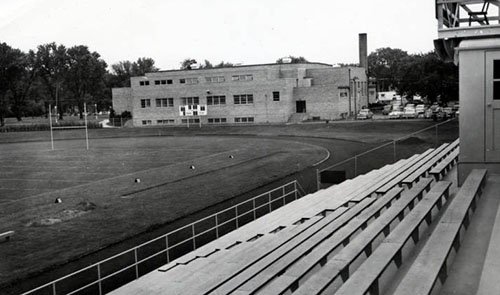
Wartburg’s first football field was constructed on the Northwest side of campus.
Homuth Library
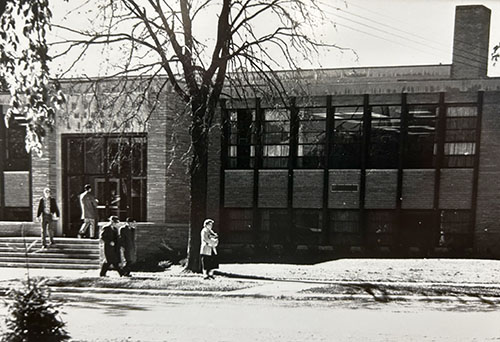
The first stand-alone library was constructed on the West side of campus. Previously, the library was housed in Luther Hall.
Neumann Auditorium (Chapel-Auditorium)
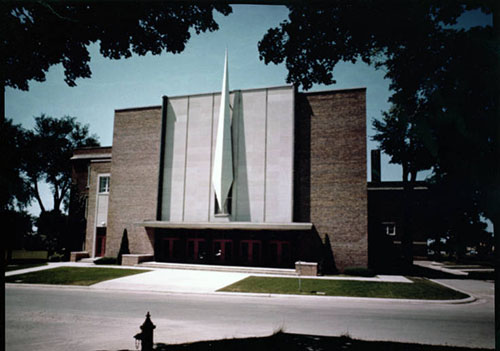
A 1,200 seat auditorium was built as the home of the Artist Series, ensemble concerts, and weekly chapel services. The facility is named after G. J. Neumann, who taught English at Wartburg for over 50 years and was recognized as Poet Laureate of Iowa by the governor.
Becker Hall of Science
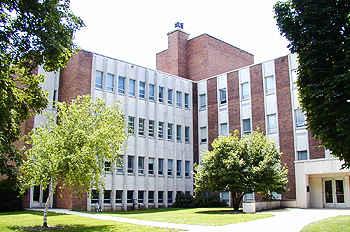
Bearing the name honoring President C.H. Becker, construction of this building catapulted Wartburg’s reputation in the sciences and positioned it for future growth in STEM fields.
Women’s Varsity Athletics
Wartburg College officially began offering intercollegiate women’s athletics in the early 1970s, with basketball and volleyball serving as two of the earliest varsity programs. Since those early days, the department has grown to 12 women’s varsity teams and features a heavily decorated history, with the women’s programs capturing numerous national championships in indoor and outdoor track and field.
Engelbrecht Library
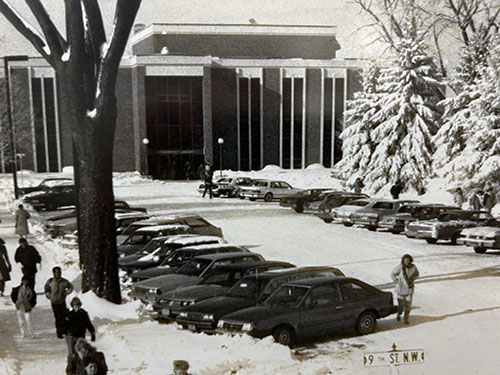
A large addition was made to the library on the East side and the building was renamed after President August Engelbrecht.
Physical Education Center
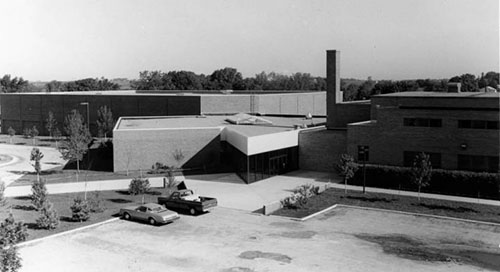
A large addition was added next to Knights Gymnasium with a field house, racquetball courts, locker rooms, and a concession/lobby area. A wrestling and weight room addition was completed in 1987.
The Wartburg Plan
The Wartburg Plan was announced as a unique way to integrate the liberal arts. This general education plan allowed for shared, common experiences in the liberal arts. Courses were part of three categories: foundational studies, experiential studies, and integrative studies.
Wartburg Choir Wins International Competition
Wartburg Choir becomes the first American group to win first prize at the Cork International Choral and Folk Dance Festival in Cork, Ireland.
Whitehouse Business Center
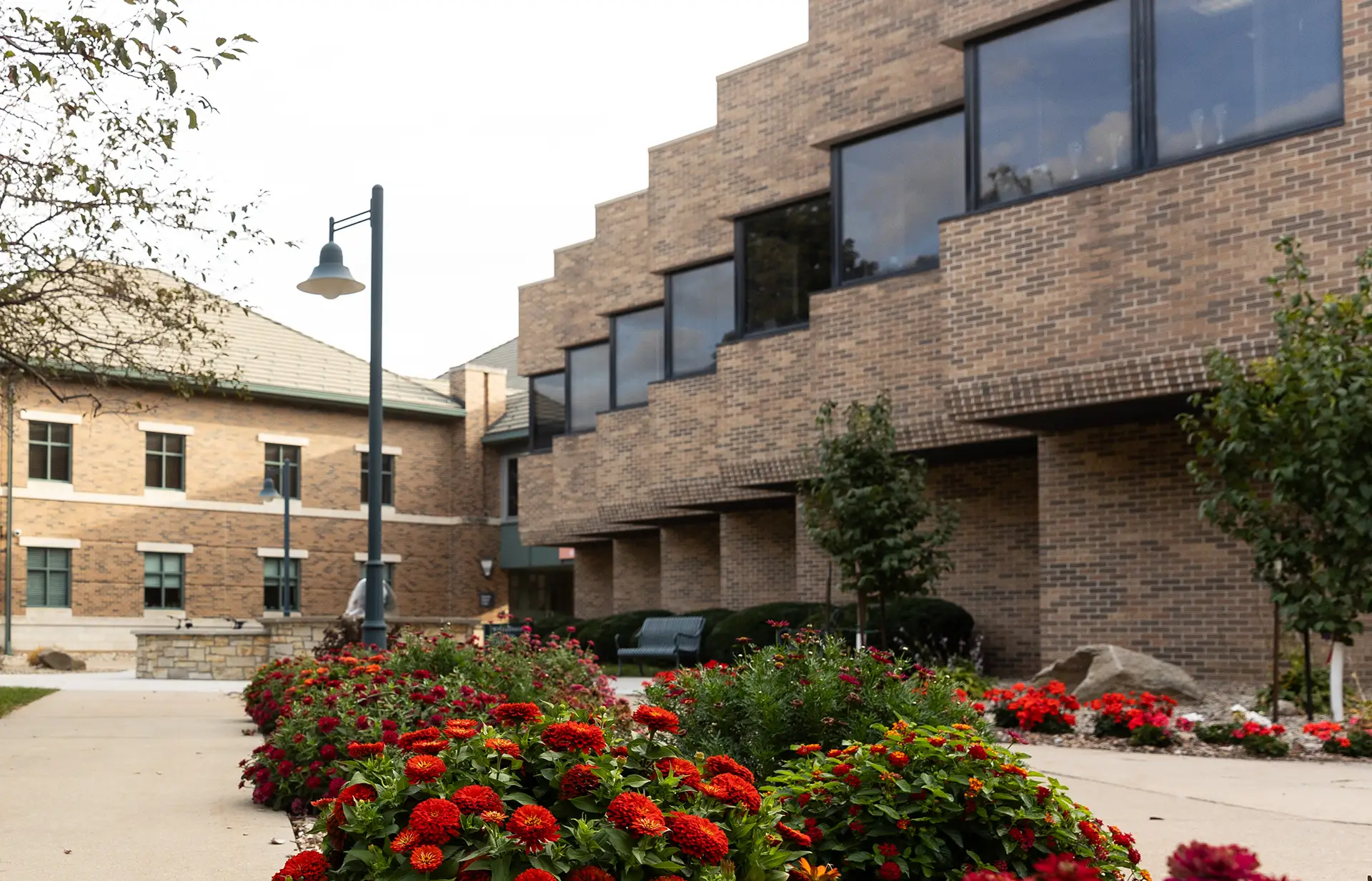
Whitehouse Business Center (WBC) was completed in 1984, providing facilities for business administration, economics, and accounting and a suite for the Admissions Office.
Greenwood Opens
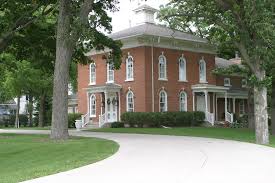
The Italianate-style home that became the new home of the president was originally built by Daniel A. Long in 1871. It was purchased by the college in 1986 after the Board of Regents determined the former president’s home should best be used as part of a new residence hall called The Residence.
Fine Arts Center
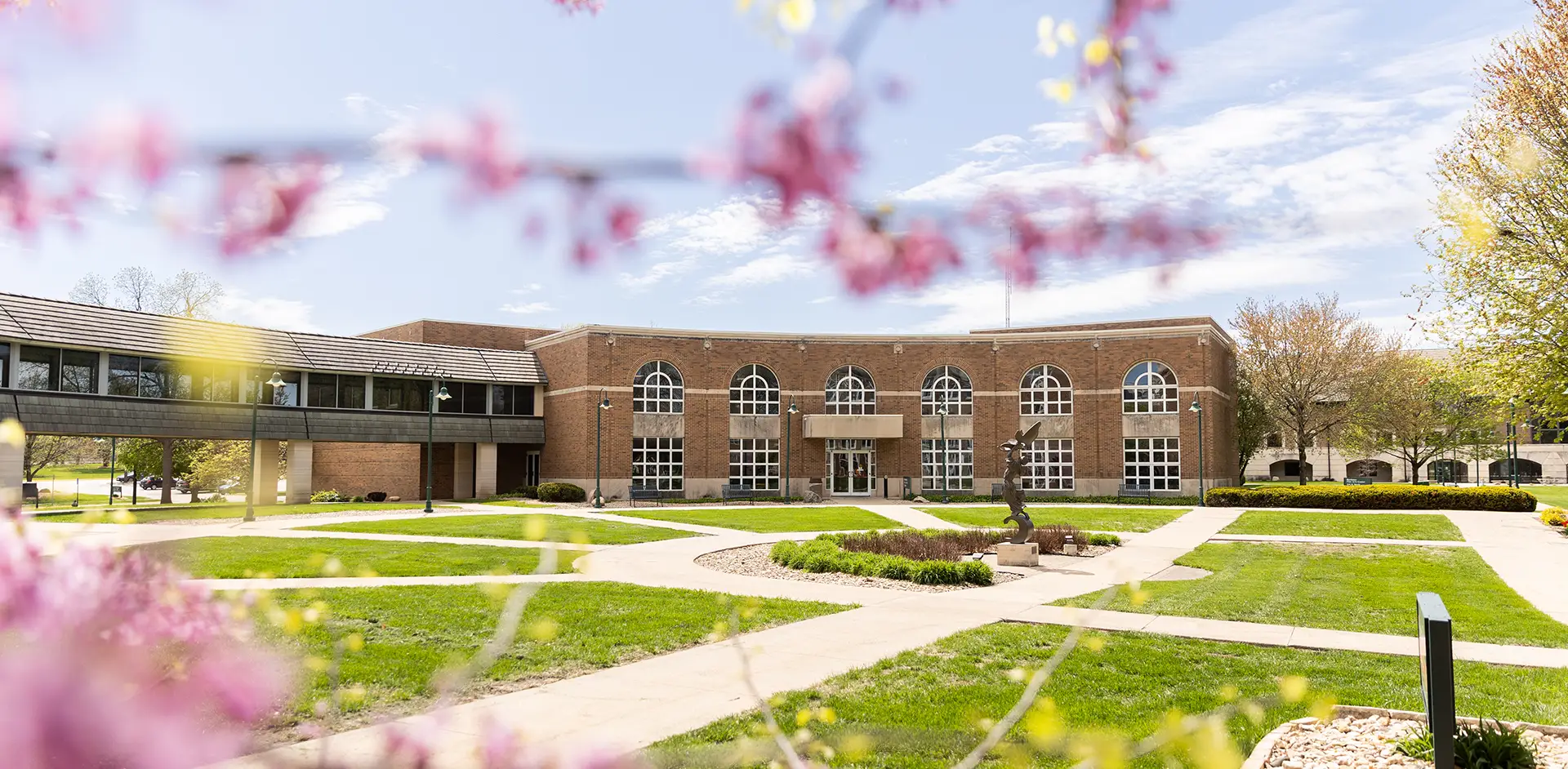
Opened in 1991, the Fine Arts Center houses the department of music and facilities for art and later graphic design. The building provided expanded facilities for rehearsal and practice with grand and upright pianos and numerous practice rooms, and music studios. The center was named in honor of President John Bachman at a later date.
McElroy Center
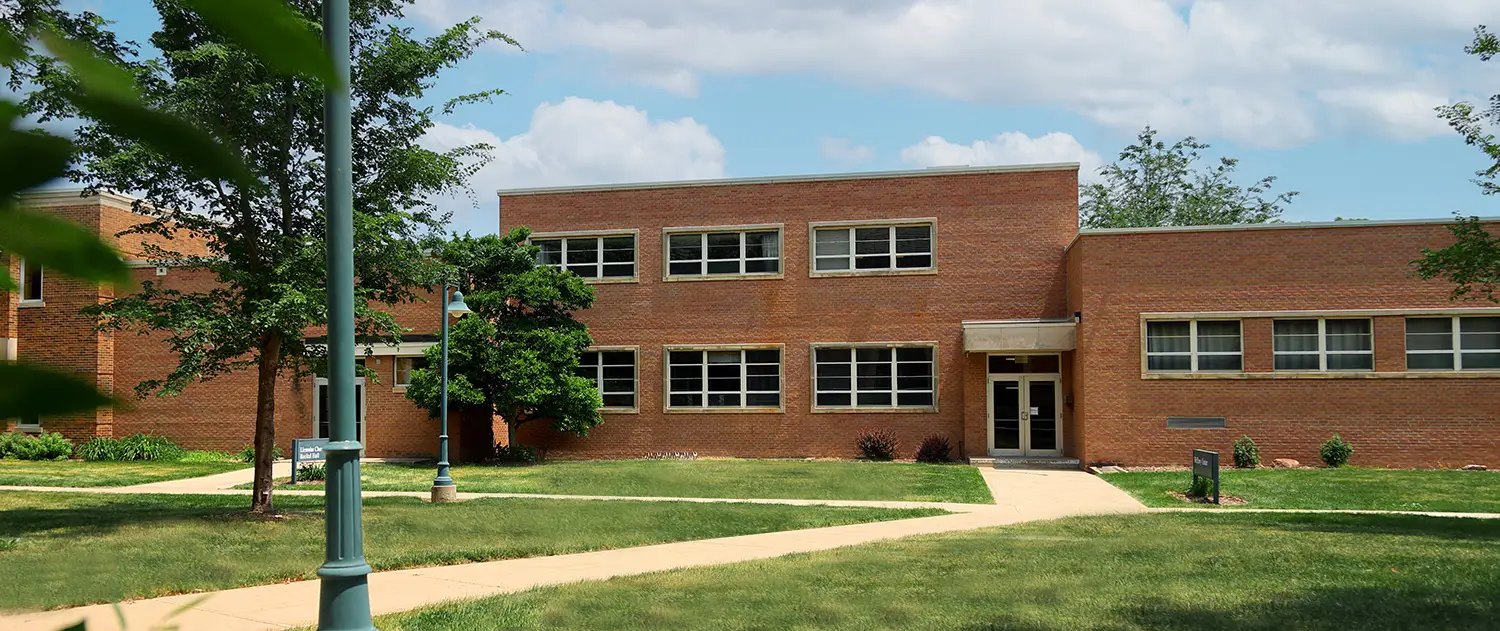
When the new Fine Arts Center was built, the former music building was converted to a communication arts center. The rehearsal halls and practice rooms for music were converted into classrooms, a TV studio and radio station//studio.
Wartburg Chapel
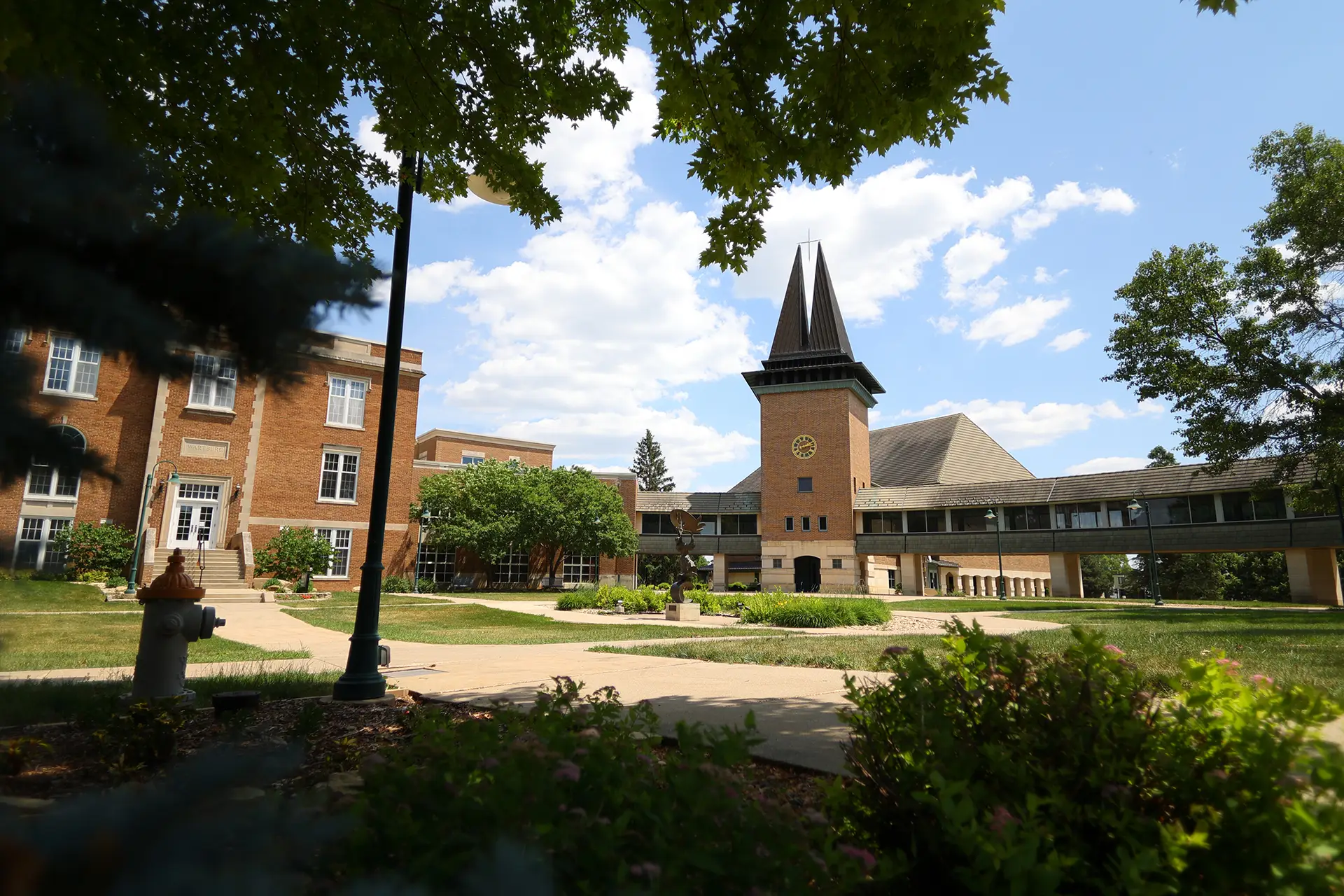
The Wartburg Chapel provided new space for weekly chapel and weekend worship services. The distinct tower connected to a new skywalk system for the entire southern part of campus. The Chapel is one of the most iconic buildings at the college with its unique minimalist architecture. Since its completion the sanctuary has been used for concerts, weddings, funerals, The Graven Award convocation, and church and community events.
Rada-Aleff Classroom Technology Center
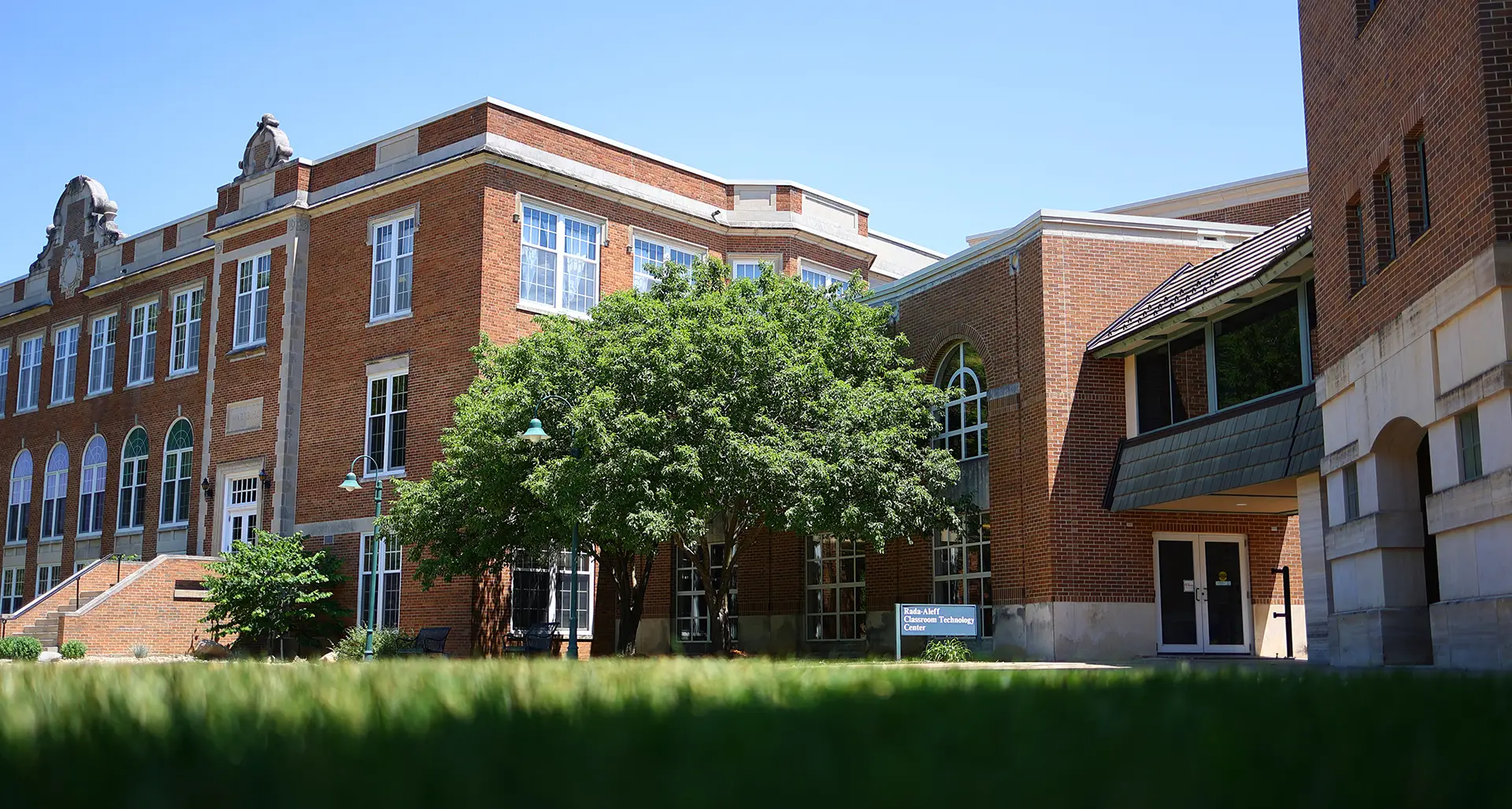
As information technology needs for the campus expanded, the Rada-Aleff Classroom Technology Center (CTC) added to the south side of Luther Hall to house the Information Technology Services Office, classrooms, and Department of Social Sciences, which is located on the third floor of the building. In 2023 the Wartburg esports team began competing in a state-of-the-art arena located on the skywalk level of the CTC.
First Wartburg Website
With the advent of the Internet available to the public, Wartburg College launched its first website at www.wartburg.edu.
First National Wrestling Championship

Wartburg College won its first NCAA Division III Men’s Wrestling National Championship in 1996. The Knights secured the title in Cortland, New York, finishing with 95.5 team points and two individual national champions. The Knights secured their 17th title in March 2026.
Wartburg College Concert Bands Become Two Ensembles
Due to tremendous growth in instrumental music participation, the Wartburg College Concert Band split into two separate ensembles: Wind Ensemble and Symphonic Band.
Vogel Library
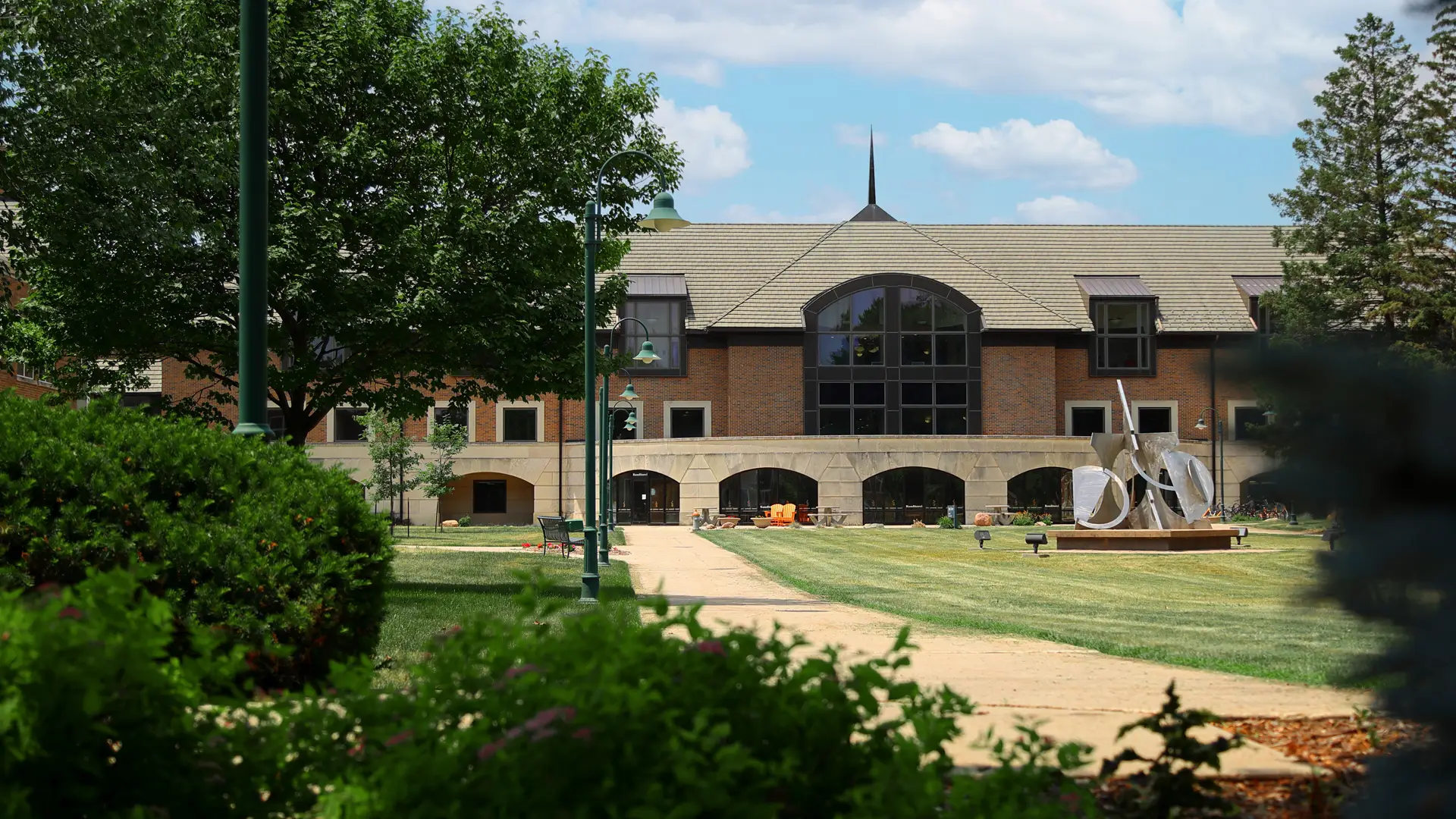
The future of libraries was changing and information literacy became more important with the advent of the Internet. Vogel Library recognizes the contributions of Robert and Sally Vogel, Wartburg’s 14th president and first lady, who provided leadership to the college from 1980 to 1998. The new “learner’s library” moved the physical collection to compact shelving on the first floor, the second floor included student workstations and meeting rooms, and the third floor housed the Pathways Center, archives, and private study spaces.
Commission Wartburg
Commission Wartburg was a highly successful, constituent-focused strategic planning initiative launched by then-President Jack R. Ohle. The long-range planning process actively engaged alumni and the Waverly community to envision the future of the institution. This commission ultimately guided the college’s physical and financial expansion for the next decade.
Knights Village
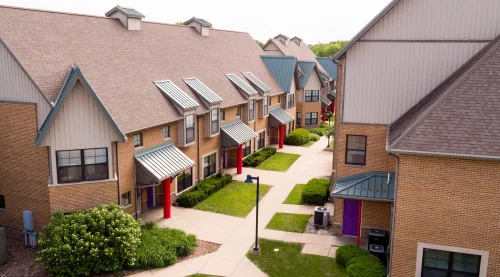
Knights Village consists of individual two-story “townhouses” named after cities where Wartburg College has been located at various times in its history. It includes a commons, called Saginaw Haus, as well as Mendota Haus, Galena Haus, Dubuque Haus, and St. Sebald Haus.
Wartburg Plan of Essential Education
The general education plan was updated to create liberally educated, ethically minded citizens for the 21st century. The plan emphasized thinking strategies, reasoning skills, fundamental literacies, faith and reflection, health and wellness, and a capstone course.
Walston-Hoover Stadium
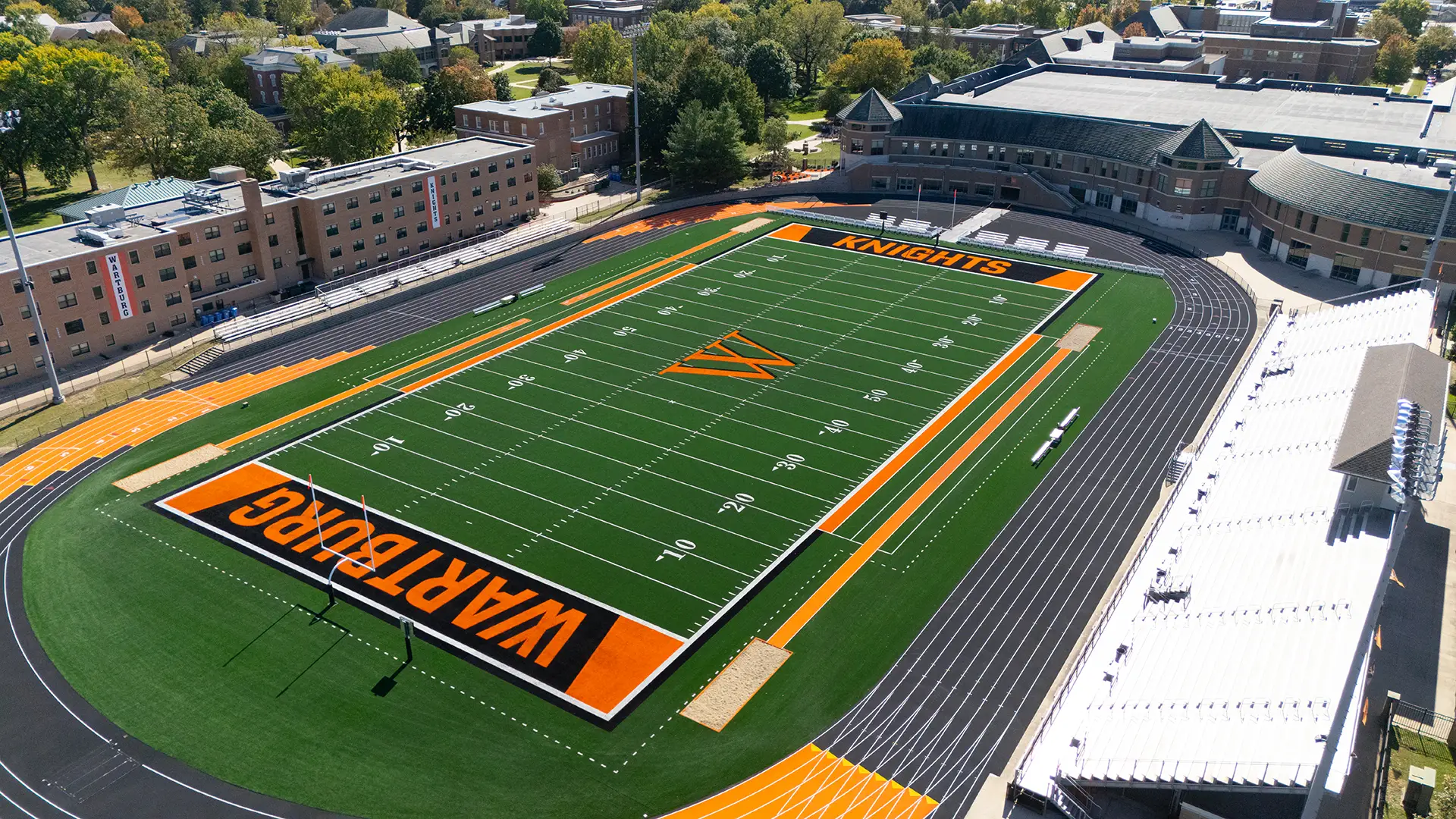
Walston-Hoover Stadium at Zimmerman Field became the home of the Knights in September 2001. In the summer of 2013, Walston-Hoover Stadium went under a multimillion-dollar renovation, which included a new FieldTurf playing surface, resurfaced track, and the installation of one of Division III’s largest video boards.
Opera Star Simon Estes Joins Faculty
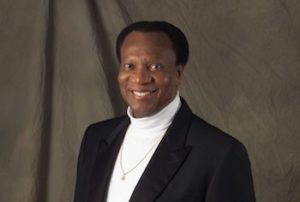
Opera star Simon Estes joined the Wartburg faculty in 2002 as distinguished professor and artist-in-residence. During his 14-year tenure, Estes performed with Wartburg music ensembles and worked with students in master classes and private voice lessons. He also has held faculty positions at five other schools, including The Juilliard School of Music.
Löhe Hall
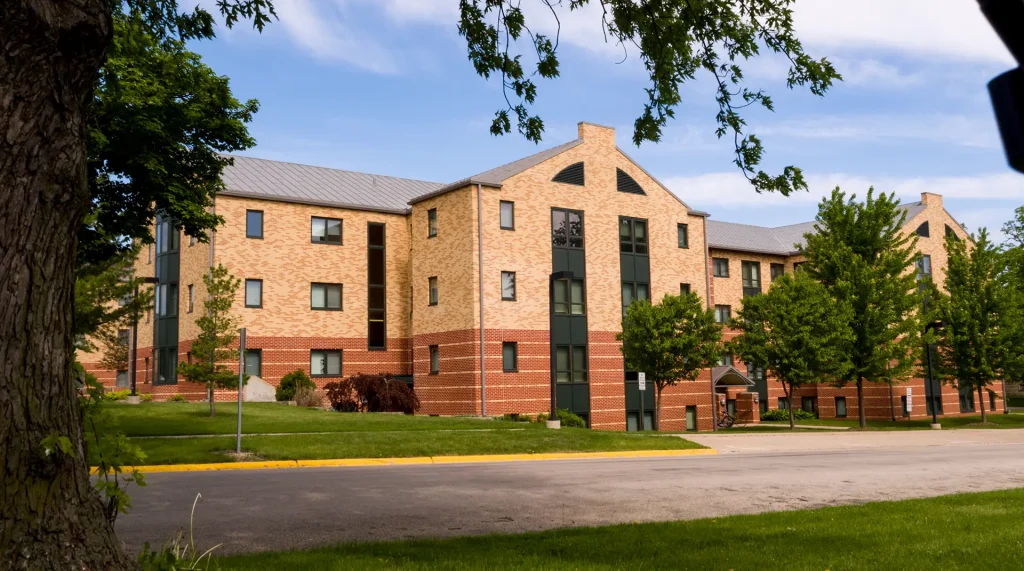
In the early 2000s, Wartburg was experiencing record growth and needed to expand residential options. Lohe Hall was built as a twin structure to Grossmann Hall with Cardinal Commons connecting the two buildings.
Science Center

Science Center was completed as an expansion and renovation of Wartburg’s science facilities. This expansion would double the size of said facilities to more than 110,000 square feet.
The Science Center houses biology, chemistry, engineering, physics, mathematics and computer science departments. The building also includes four computer laboratories, a greenhouse, facilities for animals and a molecular biology and biochemistry suite.
Simon Estes, Wartburg Choir Tour Major U.S. Concert Halls
Warburg Choir and Simon Estes performed at Orchestra Hall, Minneapolis; Kennedy Center, Washington, D.C.; and Lincoln Center, New York City as part of its domestic tour.
THRIVE General Education Plan
The THRIVE plan creates transformative experiences designed to help students flourish. Wartburg’s liberal arts curriculum prepares students for the challenges of the future and the current needs of employers. The plan does this through courses that encourage thinking critically, human culture, reasoning, information fluency, vocation, and effective communication.
Center for Community Engagement
With support from the Lilly Endowment, the Center for Community Engagement (CCE) was launched in 2005 as a part of the Discovering and Claiming our Callings Initiative to provide a central contact point for the community at-large. Under the division of Academic Affairs the CCE consisted of five full-time staff members who worked to connect students with leadership, service, and experiential learning opportunities in Iowa’s Cedar Valley and nation wide.
First Track & Field National Championship
Wartburg College first won a national championship in track and field in 2005, when the women’s outdoor track and field team captured the NCAA Division III title.
Ohle Wartburg-Waverly Sports & Wellness Center
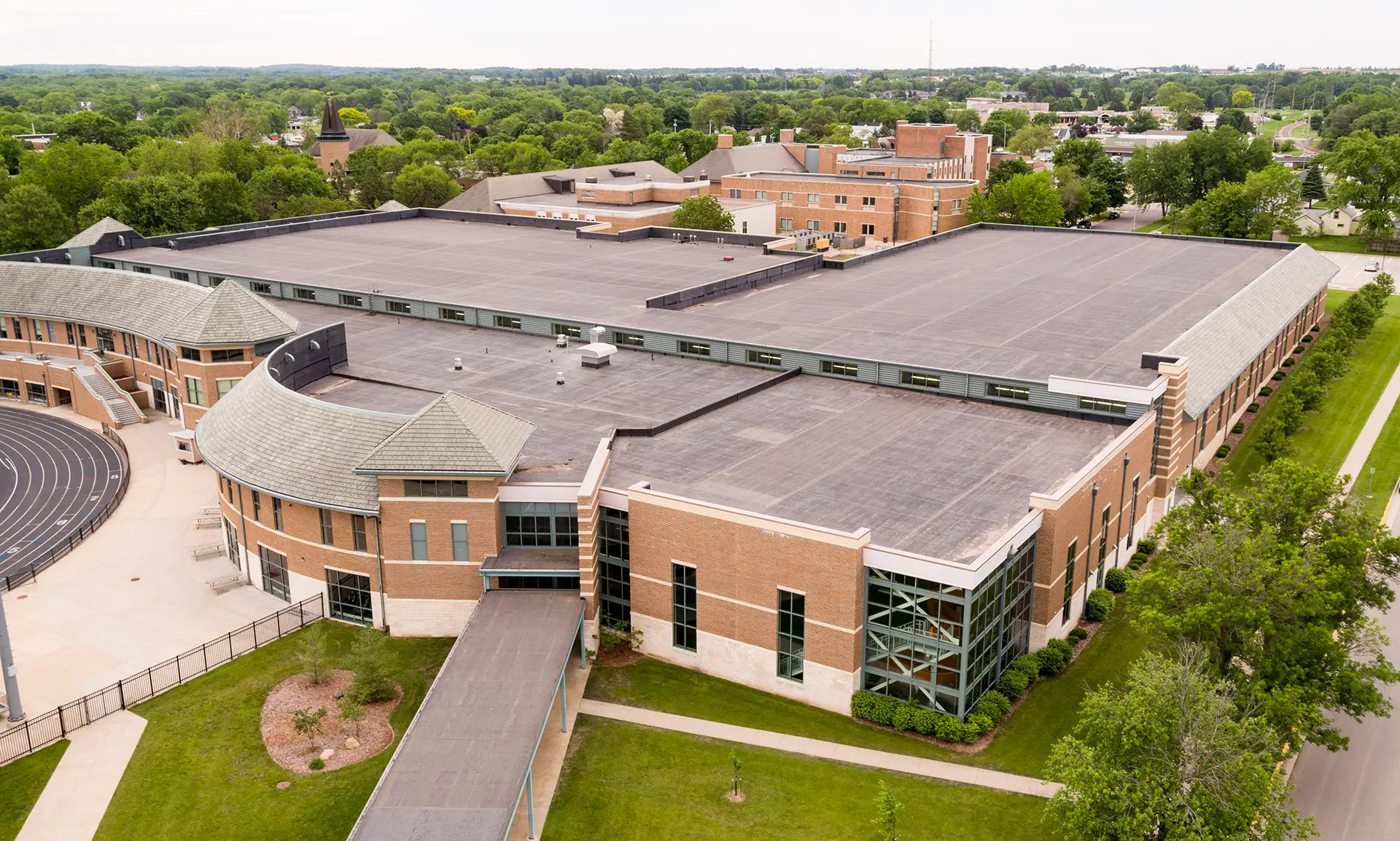
Also known as The W, this $31 million, 200,000-square-foot was one of the largest athletic/wellness facilities in the nation when it was built. In 2024, the building was named in honor of President Jack R. Ohle and his wife Kris. Ohle served Wartburg from 1998 to 2008.
Wartburg Wins MacJannet Prize for Global Citizenship
Wartburg College’s “Community Builders” program, operated by the Institute for Leadership Education in collaboration with Waverly-Shell Rock Middle School, is a recognized winner of the MacJannet Prize for Global Citizenship at a ceremony in France.
NCAA History Made
Wartburg College made NCAA history on March 10, 2012, when they became the first and only school across all divisions to win two team National Championships (women’s indoor track team and the men’s wrestling) in different sports on the exact same day.
Baseball and Softball Stadium Enhancements
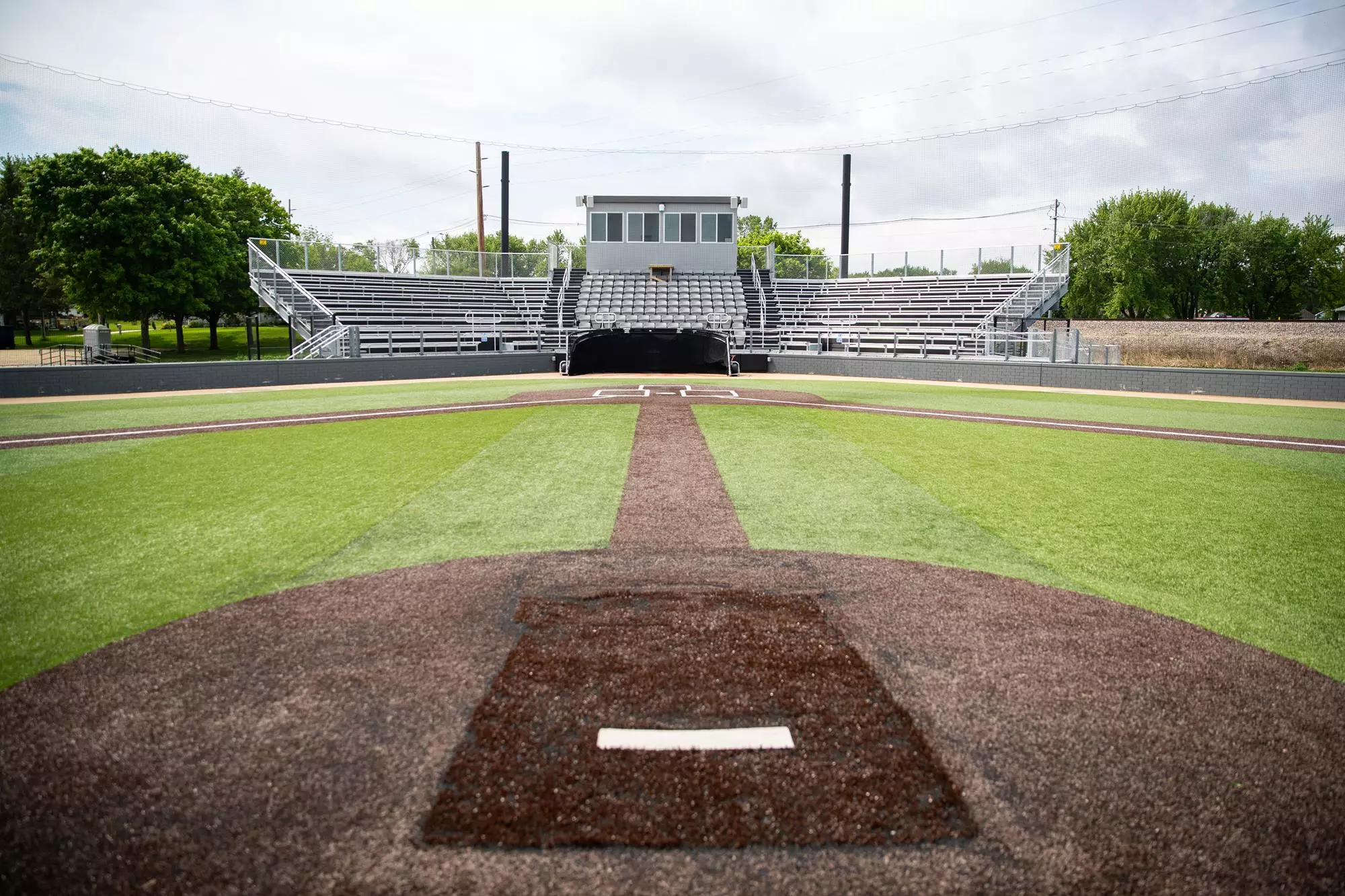
Harms Stadium at Hertel Field (baseball) received a facelift in 2020 with new stadium seating and an addition of a FieldTurf infield in 2013. Lynes Field (softball) also received an upgrade in 2020.
Women’s Wrestling
Wartburg College officially added its women’s wrestling program in October 2021, and the team began its inaugural season of collegiate competition in the 2022-23 academic year. This move made Wartburg the first American Rivers Conference school and the only NCAA Division III school in Iowa to offer women’s wrestling.
Esports
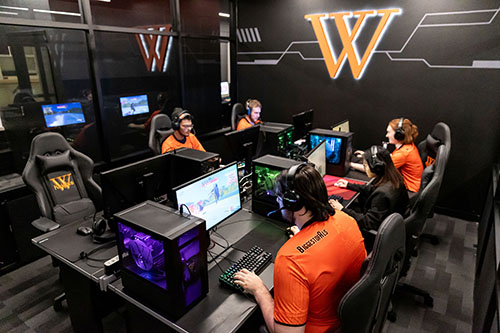
The new Esports program is housed in a state-of-the-art esports arena on the skywalk level of the Rada-Aleff Classroom Technology Center. The facility includes practice stations, a competition arena, a viewing lounge, and a broadcasting room
There are many more milestones not listed on this website, If you believe an item should be added to this page, please contact markcomm@wartburg.edu.