




Our Lutheran Heritage
Martin Luther: The Great Reformer
Born in Germany in 1483, Martin Luther spent most of his career as pastor and professor in Wittenberg, Germany, and became one of the most influential figures in history when he challenged church teachings and practices in the 16th century. In the Middle Ages, the Church maintained the belief that salvation required good works and that the sale of indulgences could save the faithful from punishment for their sins. In 1517, Pope Leo X announced a new round of indulgences to help build St. Peter’s Basilica.
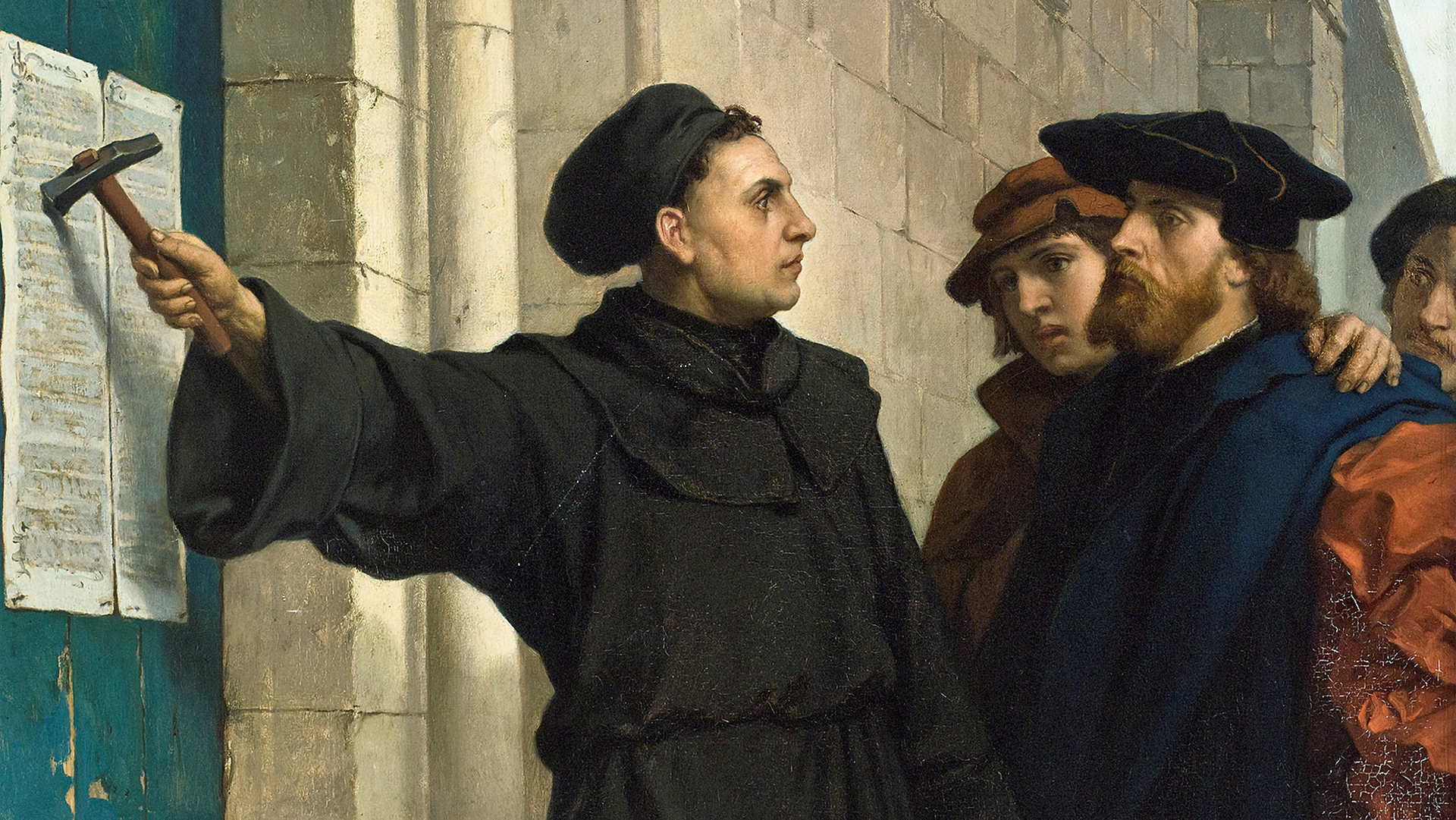
Luther witnessed the lavishness of Rome firsthand when he visited the city. Frustrated by the immorality and corruption, he wrote a scathing critique of the sale of indulgences in his Ninety-five Theses, posted publicly on the door of the Castle Church in Wittenberg on Oct. 31, 1517. These ideas incited a historical development called the Reformation with Luther’s followers referred to as Protestants.
Luther developed a theology grounded in the Scriptures, but he was unable to find inner peace until he was studying Paul’s letter to the Romans, where he focused on the verse, “The just will live by faith.” He realized that salvation was not achieved through fearing God or being enslaved by religious dogma, but instead by grace and through faith alone. With assurance of this gracious gift from God, Luther celebrated that all are freed from worrying about their own salvation and freed to serve the needs of their neighbor.
Wittenberg: The 95 Theses
Where faith and learning come together
According to legend, Martin Luther posted a document on the door of the Wittenberg Castle Church on Oct. 31, 1517, as was a common method of seeking public debate. This document was later referred to as the Ninety-five Theses. It argued that the selling of indulgences had become corrupt, with many sellers seeking solely to line their own pockets.
All Saints’ Church, commonly referred to as Schlosskirche or Castle Church, is the site where the Ninety-five Theses were likely posted by Martin Luther in 1517, the act that has been called the start of the Protestant Reformation. It is where Martin Luther was eventually buried. From 1883 onwards, the church was restored as a memorial site, and 1996 it was declared a UNESCO World Heritage Site.
Luther in Exile
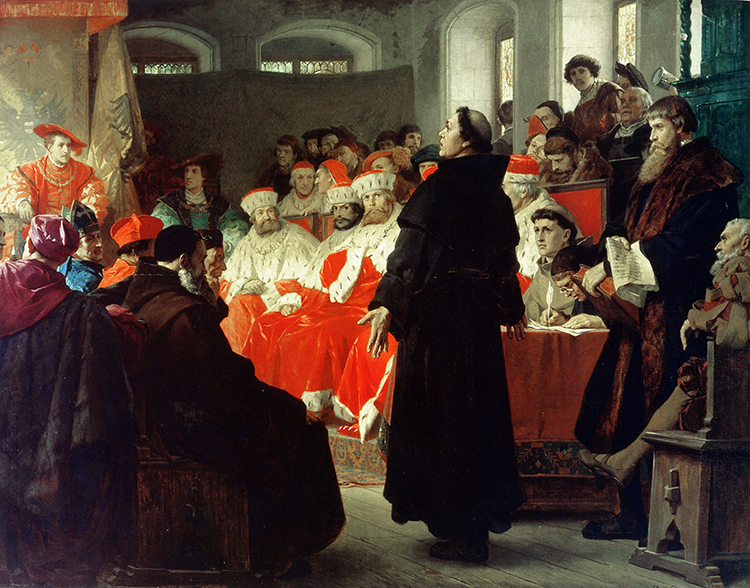
THE DIET OF WORMS
In January 1521, Martin Luther was officially excommunicated by the Church. In March, he was ordered to appear at the Diet of Worms, an assembly of political authorities, to recant his writings because they called the authority of the Church into question. Luther refused, demanding to see scripture that would refute his position. Luther is said to have declared, “Here I stand, I can do no other,” before concluding with “God help me. Amen.” On May 8, 1521, the Edict of Worms was released, banning Luther’s writings and forbidding anyone from sheltering him or providing him with aid. The edict stated that Luther should be captured and punished as a heretic. In order to escape this fate, he fled to the Wartburg Castle.
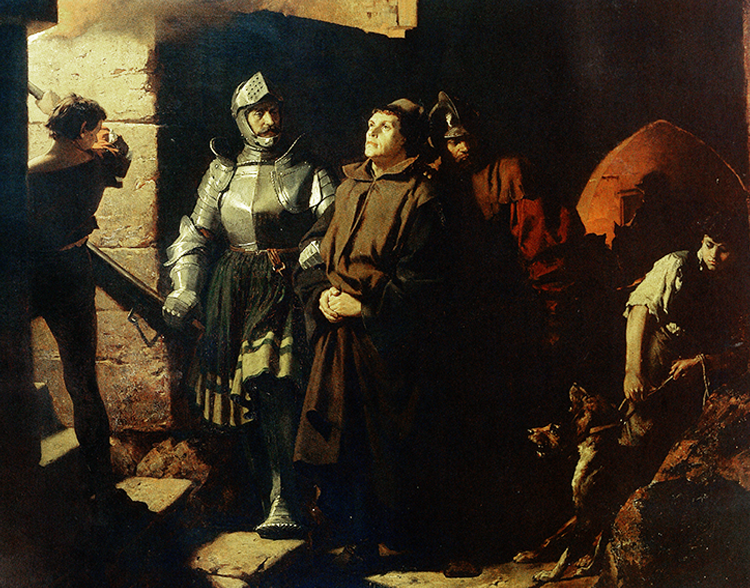
LUTHER ARRIVES AT THE WARTBURG CASTLE
After the Edict of Worms, Martin Luther fled to the Wartburg Castle, overlooking the city of Eisenach, Germany, supported by people seeking to keep him safe. Disguised as a knight, he lived in seclusion for 10 months, translating the New Testament into the common German used by the people. Wartburg College’s mascot is the Knights in honor of Martin Luther’s time at the Wartburg Castle. Thanks to the newly invented printing press, Luther’s translation was made available quickly and inexpensively. This was the first opportunity most ordinary citizens had to read the Word of God for themselves.
Other Important Figures
of the Reformation
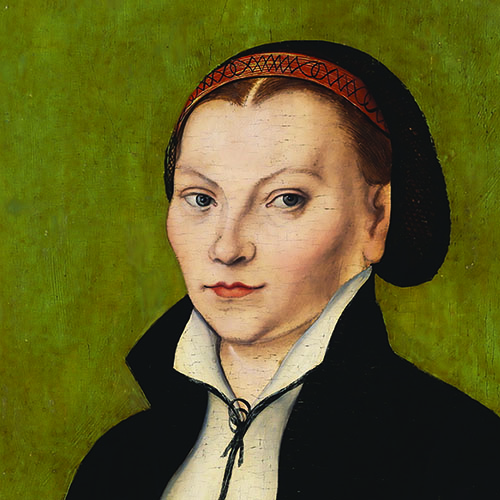
In 1525, Martin Luther married Katharina “Katie” von Bora, a former nun and important figure in the Reformation movement. Katie was considered a pioneer for women’s roles in medieval society, managing household business at the Luther House, formerly known as the Black Monastery. This included brewing beer, managing staff, and overseeing room and board for the students and visitors who often stayed in their home. In addition, Katie grew much of what the family and its guests ate in her own garden, raised six children, and cared for many others.
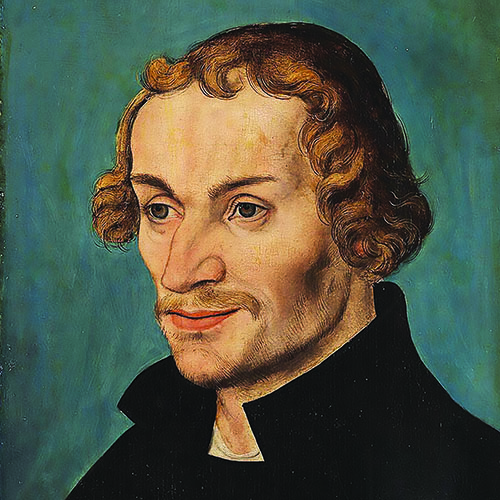
Philipp Melanchthon was a German theologian and friend of Martin Luther. In 1521, during Luther’s stay at the Wartburg Castle, Melanchthon led the Reformation efforts in Wittenberg. He defended Luther to his critics and published numerous influential documents. Melanchthon authored the Augsburg Confession, an explanation of the religious conviction of the reformers. The piece became the primary confessional document for the Lutheran movement.
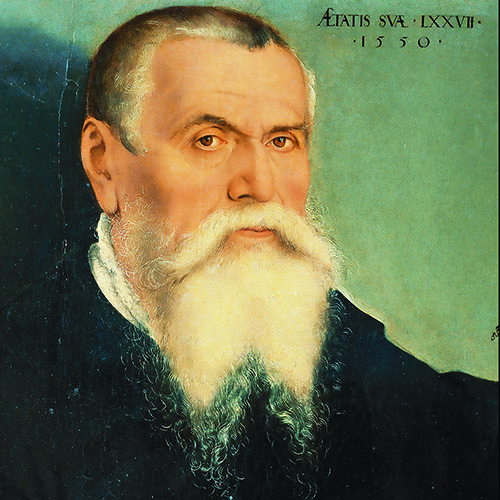
Lucas Cranach the Elder was a German Renaissance painter and printmaker. He was court painter to the Electors of Saxony for most of his career and is known for his portraits, both of German princes and leaders of the Protestant Reformation, whose cause he embraced with enthusiasm. Often considered the most successful German artist of his time, Cranach’s portraits helped shape the modern vision of Martin and Katie Luther.
Eisenach: Home of Wartburg Castle
Where leadership emerges
Eisenach is a city located in Thuringia, Germany. In 1999, the Wartburg Castle was named a UNESCO world heritage site. Wartburg College has a formal Agreement of Cooperation with the Wartburg Castle that makes possible cultural exchanges and visits, study opportunities and internships, annual choir and band performances in the castle with permission for radio and TV broadcasts, and a Castle exhibit and room on the Wartburg College campus. The agreement builds on the partnership established in 1992 by the cities of Waverly and Eisenach to become sister cities.
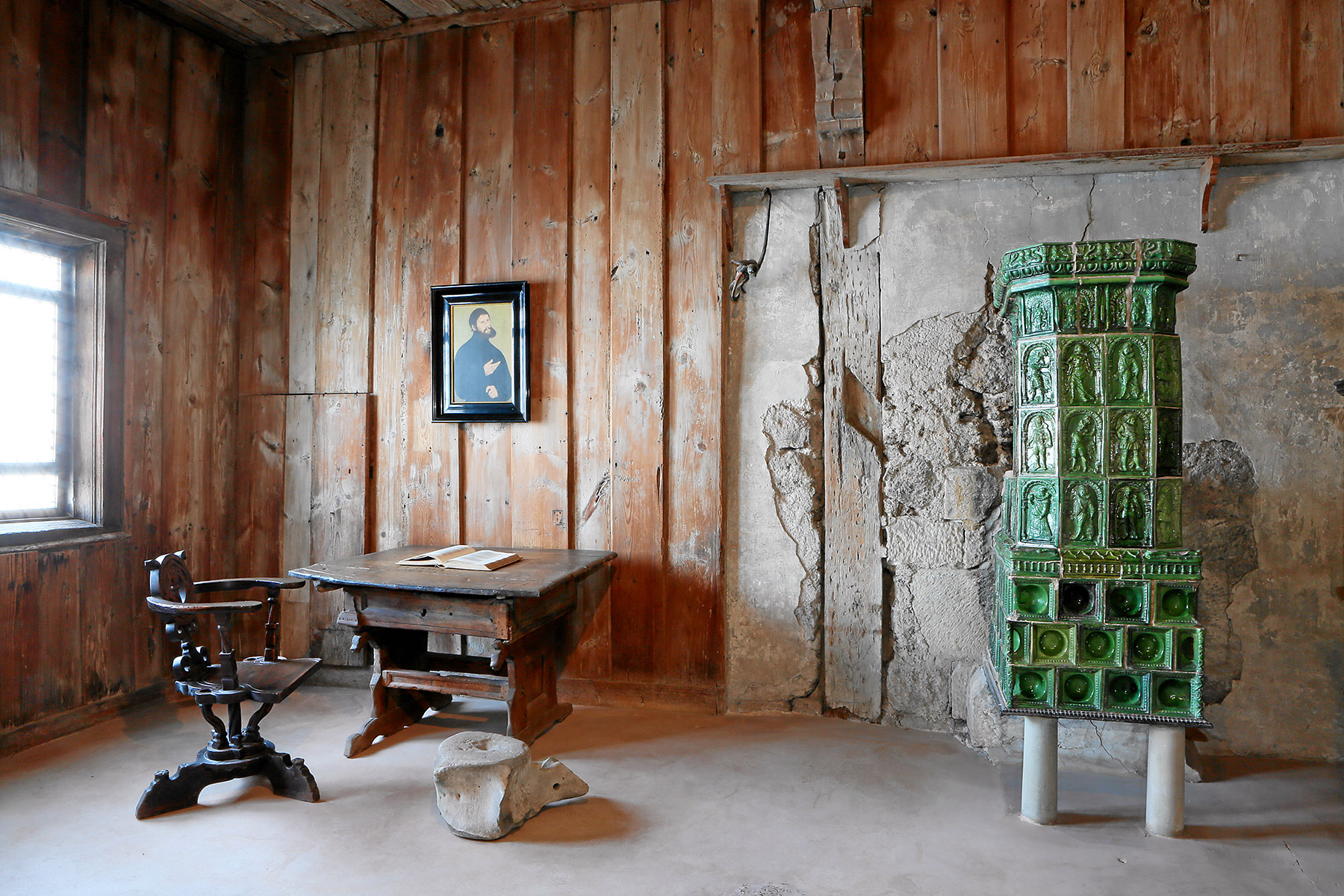
THE LUTHER ROOM
Luther’s study is located in one of the half-timbered rooms that enclose the courtyard of the Wartburg Castle.
This room is where Luther translated the New Testament into the German language of the people, ensuring inclusive access to the bible for all people.
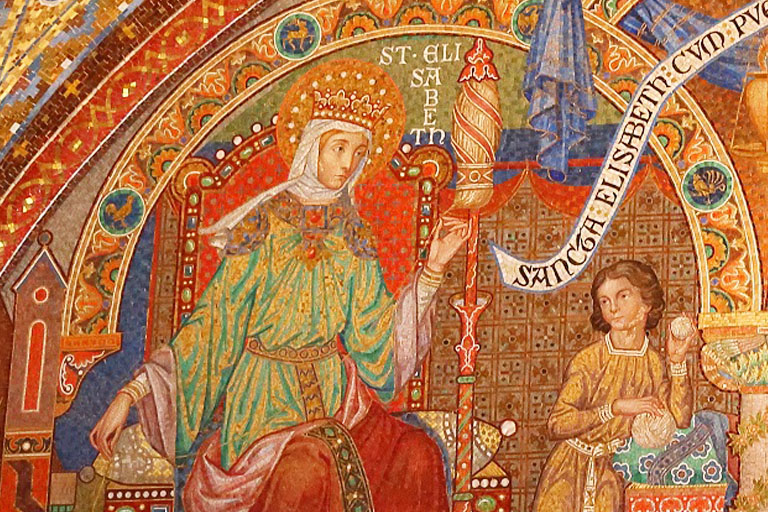
ST. ELIZABETH OF HUNGARY
Long before Luther was at the Wartburg Castle, another famous figure lived there. Born in 1207, Elizabeth, a Hungarian princess, married Ludwig of Thuringia, the landgrave of the Wartburg. Committed to a life of service, Elizabeth is known for developing a hospital near the castle and feeding the hundreds of people who came to the castle gates each day. The St. Elizabeth Chorale and the St. Elizabeth Award for Service at the college is named in her honor.
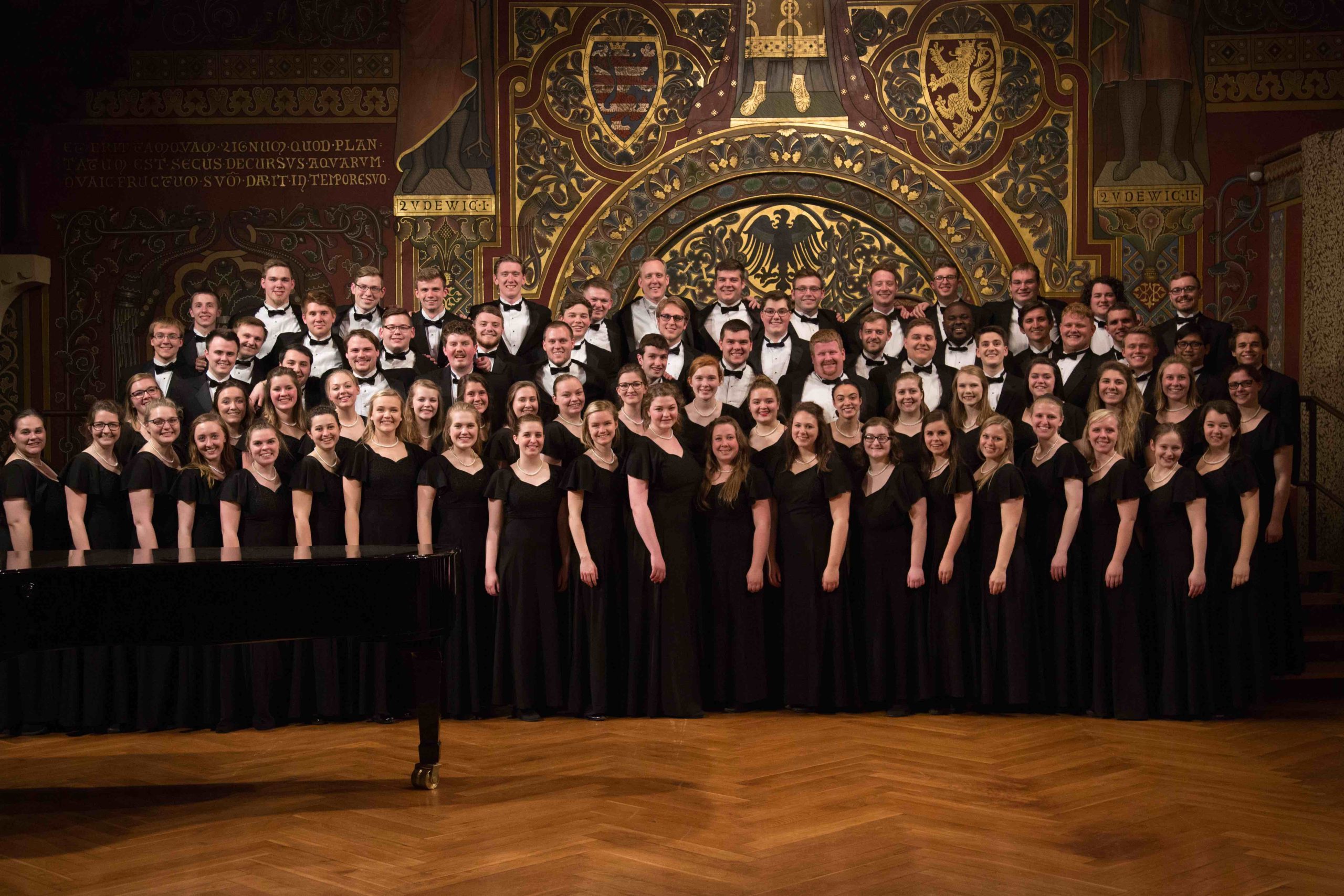
THE GREAT HALL
The Great Hall of the Wartburg Castle is frequently used for concerts and other professional performances.
Wartburg College ensembles perform in this space as a part of its international tours and they are the only non-professional groups allowed to perform there.
A Rich Musical Heritage
Ein feste Burg ist unser Gott (A Mighty Fortress is our God) is one of Martin Luther’s best known hymns. Based on Psalm 46, it inspired both Johann Sebastian Bach and Felix Mendelssohn. Below is a translation of the first verse of Luther’s text.
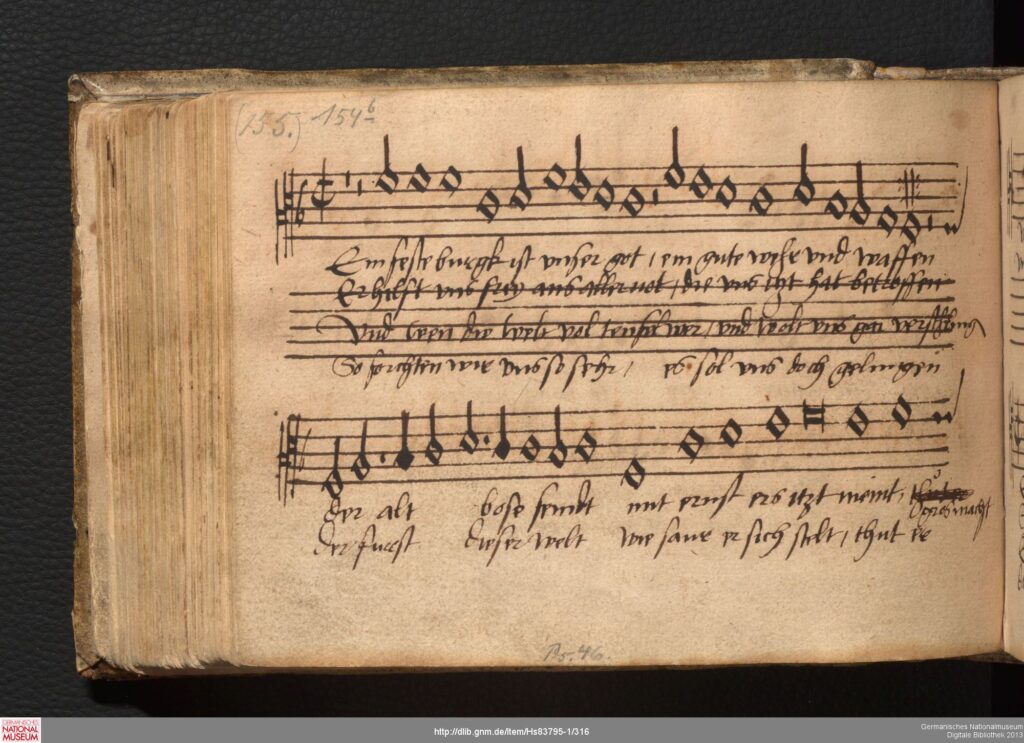
- Ein feste Burg ist unser Gott, — A mighty fortress is our God,
- ein gute Wehr und Waffen. — a good defense and weapon / shield.
- Er hilft uns frei aus aller Not, — He helps us freely out of all distress,
- die jetzt hat uns betroffen. — that has now befallen us.
- Der alt böse Feind, — The old evil enemy,
- mit Ernst er’s meint, — means it in earnest,
- groß Macht und viel List — great might and much cunning
- sein’ grauß sam Rüstung ist, — is his dreadful armor,
- auf Erd ist nicht seins Gleichen. — on earth there is not his equal.
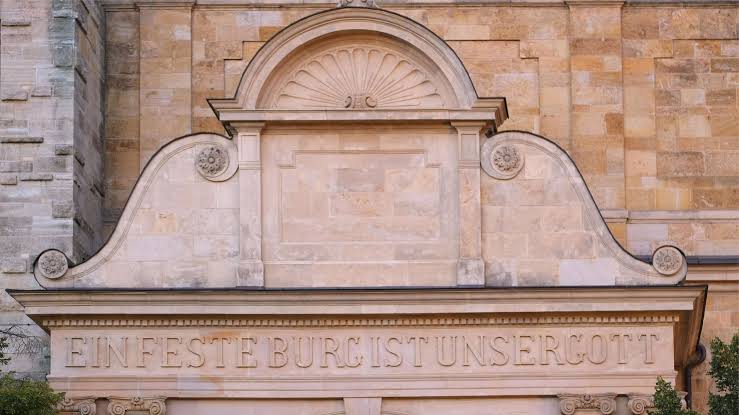
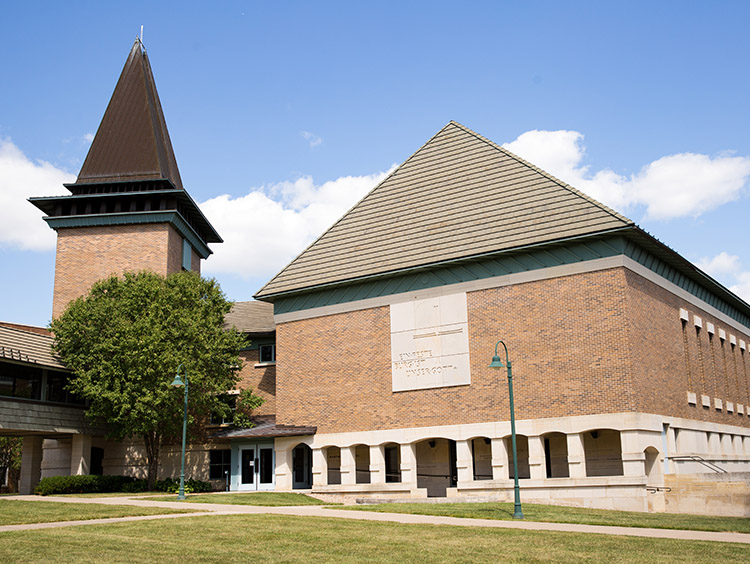
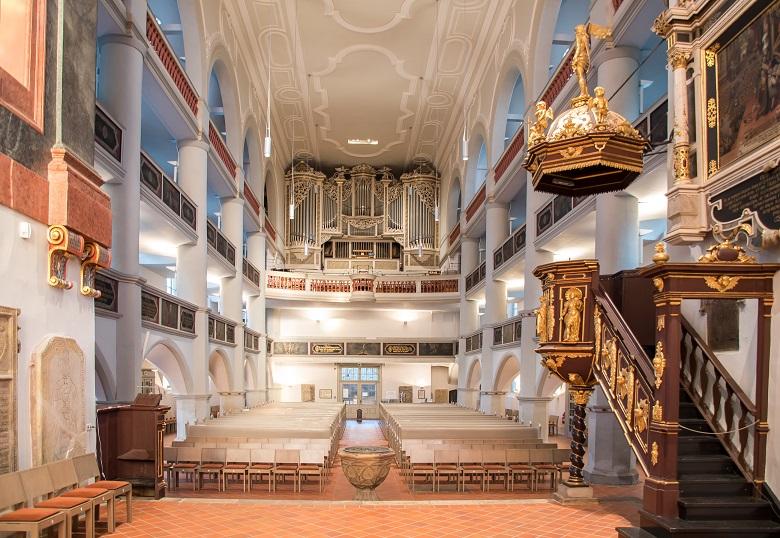
St. George’s Church in Eisenach is a historic landmark where Martin Luther sang in the choir and preached. It is also where composer Johann Sebastian Bach was baptized in 1685. Originally founded around 1188, the church also hosted the 1221 wedding of St. Elizabeth of Thuringia.
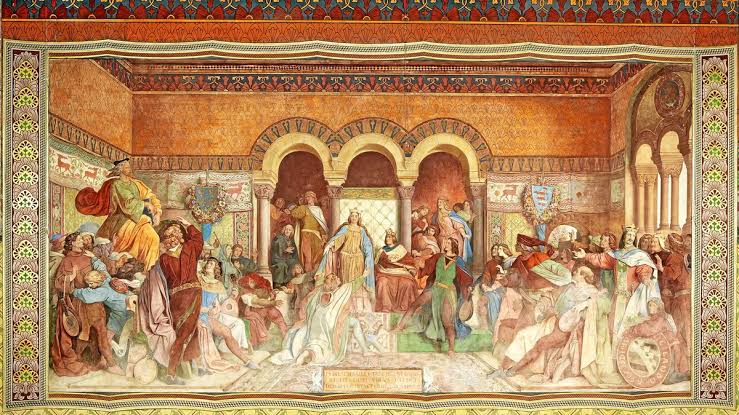
Eisenach was a cultural hub in the Middle Ages and the Wartburg Castle was the sight of many important concerts and festivals. Meistersinger music festivals were held in the Singers Hall, where the very best minstrels and singers competed.
The legends surrounding these festivals inspired Richard Wagner to write his opera Tannhäuser. Wartburg College continues this musical legacy by hosting Meistersinger honor music festivals and camps each year for high school students. Students who choose to audition for a music scholarship receive Meistersinger Music Scholarships.
Neuendettelsau, Germany
Where service meets justice
The central role of service to one’s neighbor as an expression of faith influenced German culture and informed nineteenth century pastor Wilhelm Löhe. He had a keen interest in missionary work and was especially concerned with the education of German immigrants to North America. In 1852, Löhe sent Pastor Georg Grossmann to America to work as a missionary for the Lutheran faith.
Inspired by Martin Luther’s understanding of vocation, that all are called to work and service that is valued by God, this educational enterprise quickly expanded to include learning and training in many fields of study. This institution would become Wartburg College.
A Legacy of Service
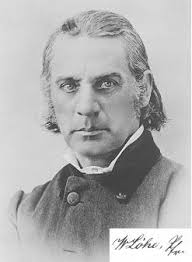
Guided by the conviction that faith is expressed through service, Löhe established networks of missionaries, teachers, pastors, and deaconesses who cared for immigrants and the disabled, educated children, strengthened congregations, and served people in need across Europe and North America.
In addition to Wartburg College, Löhe’s global mission work led to the creation of Concordia Theological Seminary in Fort Wayne, Indiana, and Wartburg Theological Seminary in Dubuque, Iowa.
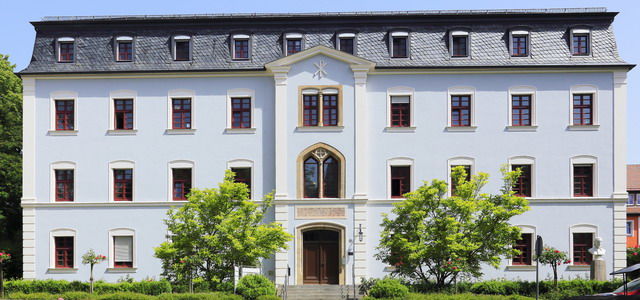
Wilhelm Löhe had a deep concern for domestic social issues and care for those in need. He also saw the deficits in the education of young women in the nineteenth century. In 1854, he founded the Neuendettelsau Deaconess House for the education and training of women. These women trained to become leaders in service to the poor, disabled, and socially disadvantaged. This organization eventually grew into an international network of social ministries now known as Diakoneo. With the motto “because we love life,” Diakoneo is one of the largest health and social enterprises in Germany today, internationally networked to provide services in education, healthcare, housing support, and job training.
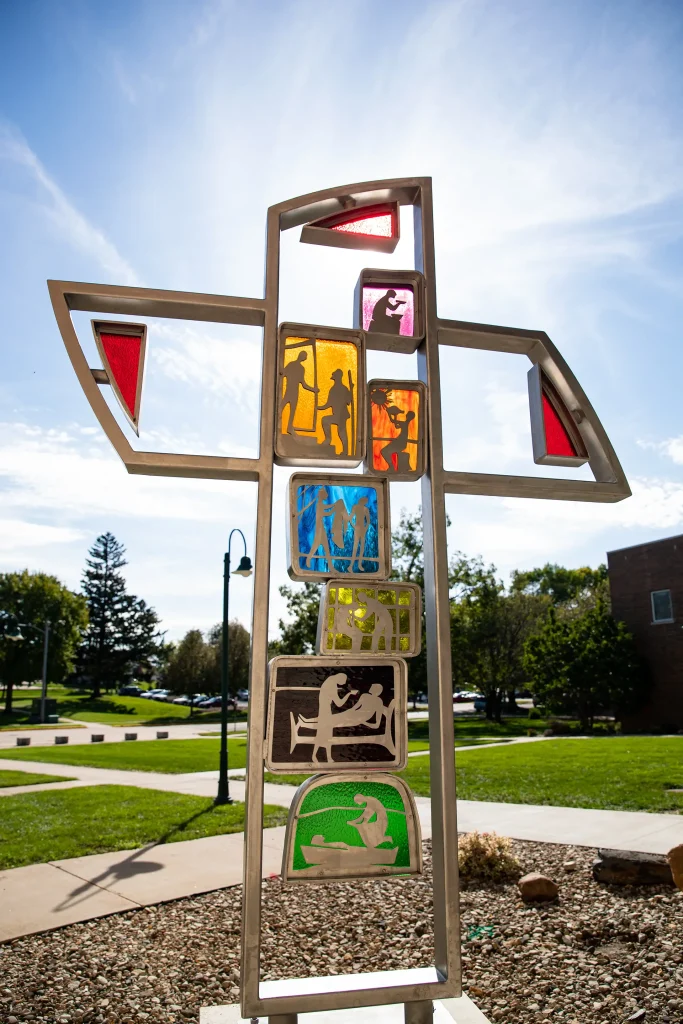
The wooden “Lebenskreuz,” or “Cross of Life,” sits on the altar of the Wartburg Chapel. It was made in the workshops of the Diakoneo in Neuendettelsau, and depicts the Seven Acts of Mercy found in Matthew 25:35-40. These acts of service to the neighbor and care for the hungry, imprisoned, stranger, thirsty, sick, and dying, were a source of inspiration for Wilhelm Löhe, and continue to inspire Wartburg College’s mission today.
In 2019, a stained glass and stainless steel 12-foot sculpture version of this cross was commissioned by friends of the college, created by an Iowa artist, and placed on the west Chapel lawn to commemorate the 25th anniversary of the Wartburg Chapel. The sculpture was created with blessing from the Diakoneo.
Waverly: Sister City to Eisenach
The Waverly-Eisenach Sister City partnership is one of the most successful and enduring examples of municipal/collegiate cooperation in our shared history. Formalized in 1992 by an agreement with Sister Cities International, the partnership was a result of the diligent work of visionaries from Wartburg College and Eisenach. Their efforts provided the basis for a relationship that still flourishes and continues to bear fruit in new and surprising ways, including regular visits to Eisenach by the Waverly-Shell Rock High School German Club and high school exchanges between the cities. In addition, thousands of Wartburg College students have visited the Wartburg Castle and made lifelong friendships with citizens of Eisenach and their families. The Eisenach Immersion program provides a gateway for Wartburg students who wish to explore the possibility of educational or career opportunities in Europe.
Faith and Learning
Wartburg College students live out Luther’s legacy of integrating faith and learning through their coursework, co-curricular activities, and experiences like internships and study away.
Our robust spiritual life and campus ministry program serves a diverse community of students, staff, and faculty by championing the college’s Lutheran roots while joyfully reaching for the experiences and perspectives of other traditions and worldviews on our campus.
Leadership and Service
Wartburg College graduates find success in leadership roles around the world by taking responsibility for their communities and making them better through public action. Living out Lohe’s commitments to service and social justice, Wartburg College graduates fulfill a central goal of Lutheran higher education today: they are “called and empowered to serve the neighbor so that all may flourish.”